
Why Spring Cleaning Is About More Than a Tidy House Every spring, something shifts. The…
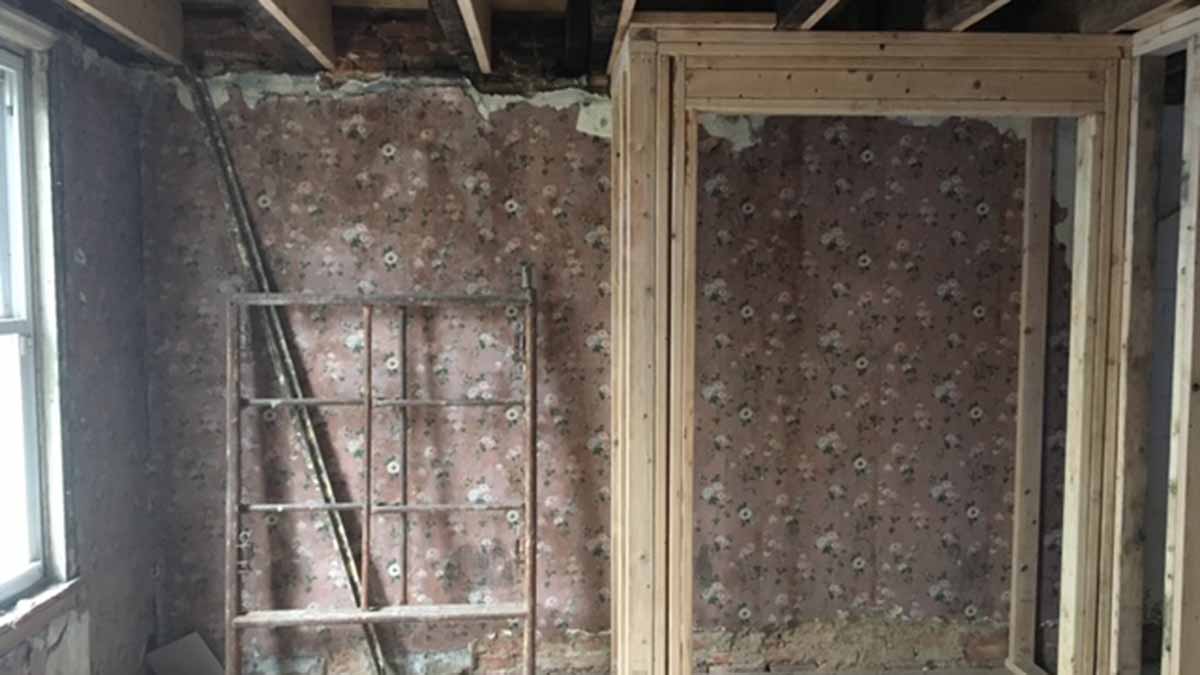
Kitchen Renovations in 2026: What to Expect Before You Start
Kitchen Renovations in 2026: What to Expect Before You Start
Kitchen renovations can be one of the most rewarding things you do to your home — and right now, more people than ever are choosing to do exactly that. With high mortgage rates and home prices making it expensive to move, and about 80% of homeowners with a mortgage carrying an interest rate below current levels, staying put and investing in your current home has become the smarter move for a lot of families. If you’re one of them, here’s what you need to know before you get started. The MortgagePoint –
What does it cost?
Material and labor costs have gone up meaningfully over the past few years, and they’re not coming back down. Labor rates in the Philadelphia area have risen 6% to 10% over the past year alone. With a projected 10–14% increase in material costs expected in 2027, this year is actually a relative window of stability for anyone who’s been on the fence. Showcase RemodelsKitchen Search
For a full kitchen renovation in Philadelphia and the surrounding suburbs, you can expect to pay starting at around $77,500 for a mid-grade project, and $158,000 or more for high-end work. Those numbers can go higher depending on the size of your space, the finishes you choose, and what we find once we open up the walls — which in an older Philadelphia home, is always a factor. Interior designers typically charge either a flat fee or around 10% of the project cost. I always present material costs at the first design meeting so you have a clear sense of where things stand early on. Sweeten
The biggest line item is always labor.
A contractor who pays fair wages, carries proper insurance, and has workers’ comp coverage — which the city of Philadelphia requires in order to pull permits — is going to cost more than one who cuts corners on those things. That’s a feature, not a bug. A good contractor should be able to show you a breakdown of labor versus material costs so you understand exactly where your money is going. At Revise Studio, I provide you with material costs at our first design presentation so there are no surprises.
What about a project manager?
Designers who handle project management and procurement don’t just make things run more smoothly — they save you money. I purchase all your materials in advance of the project start, which means I’m ordering the right amounts at the right time, tracking every shipment, and handling it when something arrives damaged or in the wrong color. It happens more often than you’d think, and fixing it without someone on top of it can cost you weeks. The markup on materials reflects that work, and it also reflects the long-standing relationships I have with vendors — which often means better pricing and faster turnaround passed right along to you.
How are people paying for it?
This is the question I get asked a lot, especially right now. Most of my clients aren’t writing a check for the full amount out of pocket, and that’s completely normal. Here are the three most common options:
A HELOC, or home equity line of credit, works like a revolving credit line tied to the equity in your home. It’s a good fit if you’re handling a renovation in phases or want flexibility for unexpected costs that come up once work begins — which is especially common in older homes once you open up walls. The tradeoff is that the rate is usually variable, so your payment can shift over time. Mmccu
A home equity loan gives you a fixed lump sum upfront at a set interest rate. It works best when you know exactly what your project will cost and want predictable monthly payments. Both home equity options typically carry lower interest rates than personal loans because your home is the collateral — just make sure the monthly payment fits your budget, because the stakes are higher. Navy Federal Credit Union
A personal loan doesn’t require you to use your home as collateral, which some people prefer. It can be a good fit if you want funding quickly and with minimal upfront fees, or if you’re borrowing a smaller amount. The rates are generally higher, but it’s a cleaner option for some. Freedom Mortgage
Talk to your financial advisor or lender about which makes sense for your situation. I’m always happy to share what I’ve seen work well for clients in similar positions.
Brace yourself for the mess.
There is no way around it. For at least a few weeks, your house is going to look like a construction zone. We do everything we can to contain the chaos, but drywall dust has a way of finding your underwear drawer — I mean it, it gets everywhere. Pack your clothes in sealed bags before the demo starts.
Don’t forget takeout money — and maybe a vacation.
Add a takeout budget to your overall plan. You won’t have a functioning kitchen for a few weeks, and eating out every night adds up fast. It’s a small line item that a lot of people forget until they’re staring at a pile of drywall with nothing to cook on.
And while you’re at it, think about scheduling a weekend trip or two during the renovation — or better yet, plan a real vacation to coincide with the messiest part of the project. One of the best things you can do for your sanity is simply not be there for it. Let us handle the chaos while you’re somewhere with a pool. You’ll come home to real progress instead of spending your weekends watching construction and second-guessing every decision. Clients who do this almost always say it made the whole experience so much easier to get through.
Ready to start thinking about your kitchen but not sure where to begin? Let’s connect — I’m happy to answer any questions.

Related Posts